Customer Communication
How to Ensure Consistent Communication with Multichannel Customer Service?

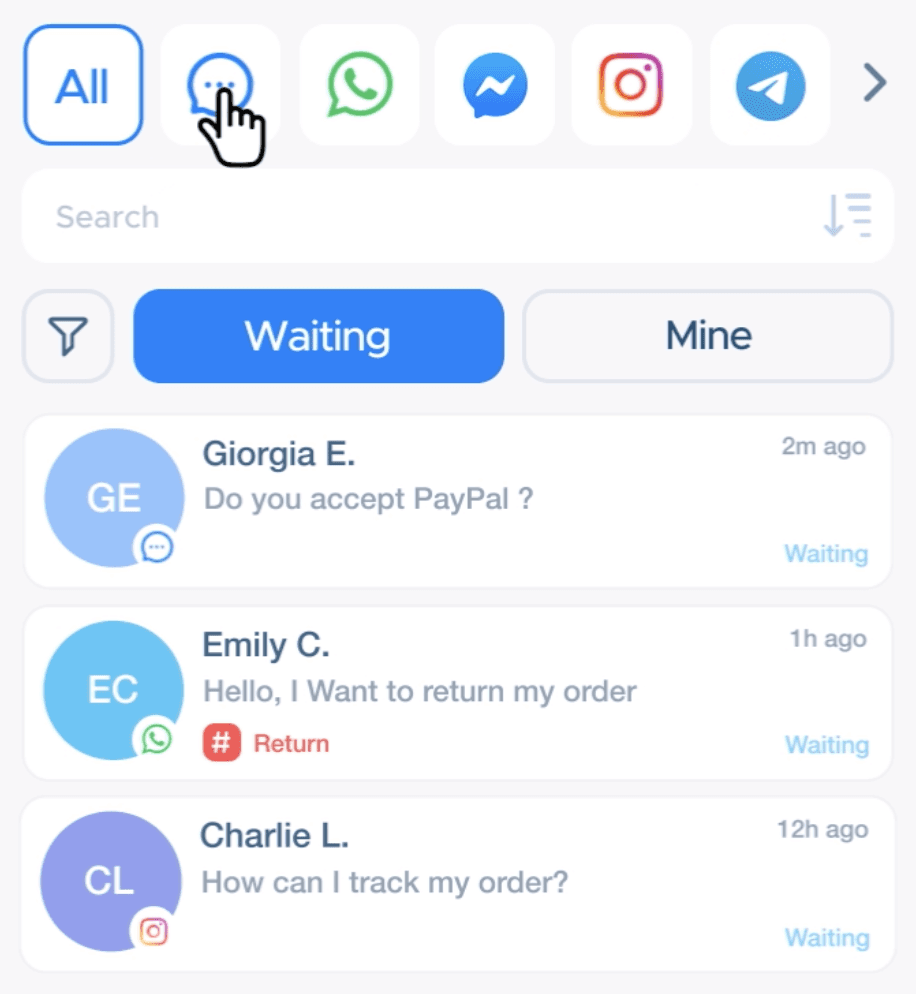

Does the communication you build with your customers deliver the same quality across every channel? When a customer messages you on Instagram and then switches to WhatsApp, do they have to explain their issue all over again? This is exactly where communication gaps begin to silently damage customer satisfaction.
If managing requests from multiple channels becomes difficult, responses start to feel inconsistent, and the customer experience turns fragmented, it’s a clear sign that your business needs an effective multichannel customer service strategy. Today’s customers expect a seamless transition between social media, email, live conversation, marketplaces, and every other touchpoint.

Why Has Customer Communication Become So Fragmented?
A customer sends a message on Instagram in the morning, continues the conversation on WhatsApp at noon, and emails in the evening. On the brand side, these messages are seen on three different screens by three different agents.
This fragmentation leads to:
Longer response times
Different answers to the same question
Customers feeling “unrecognized”
At this point, multichannel customer service platforms are not just software tools; they represent a strategic approach that manages customer communication end to end.
What Is a Multichannel (Omnichannel) Customer Service Platform and What Does It Provide?
A multichannel customer service platform is a system that brings WhatsApp, Instagram, live conversations, email, and marketplace messages together in a single customer communication panel.
The Difference Between Single-Channel Management and a Multichannel Experience
Single-channel structures result in:
Switching between screens
Risk of missing messages
Inconsistent responses
Multichannel customer service enables:
Managing all messages from one panel
Accessing customer history on a single screen
Faster and more consistent responses
This difference directly impacts customer perception and conversion rates.
The Building Blocks of a Strong Multichannel Communication Structure
Choosing the Right Channels (You Don’t Have to Be Everywhere)
The first step in building an effective multichannel customer service structure isn’t being present on every platform, but delivering a strong communication experience on the right channels. Identifying where your target audience is most active, analyzing message volume by channel, and considering your support capacity form the foundation of a sustainable customer communication strategy.
Without this analysis, structures may increase workload in the short term and create inconsistency and inefficiency in the long run.
Key factors include:
Channels where your target audience is most active
Message volume per channel
Support team capacity
Without this groundwork, sustainability is not possible.
Managing All Messages from a Single Center
Another critical element of a strong structure is managing all customer messages from a single hub. Handling WhatsApp, Instagram, Trendyol, live conversations, and email separately causes time loss, missed messages, and longer response times.
Bringing all channels into one panel allows teams to act faster, maintain control over communication, and increase operational efficiency. Multichannel message panels and robust channel integrations are not just technical solutions—they provide strategic infrastructure that improves customer experience.
At this stage:
Multichannel customer communication panels
Channel integration systems
form the backbone of operational efficiency.
Operational Approaches That Shorten Response Times
Leveraging the Power of Automation
Delivering a fast and consistent customer experience isn’t about adding more agents; it’s about implementing the right operational approaches. In multichannel customer service structures, two elements stand out: automation and intelligent routing.
Most customer service requests consist of repetitive questions. Manually responding to recurring inquiries such as delivery status, pricing, or service details wastes valuable time. Customer service automation accelerates first contact and prevents communication breakdowns.
With well-designed automation systems:
First responses are delivered within seconds
Repetitive workload on agents is reduced
Average response times decrease significantly
This positions automation not as something that weakens customer experience, but as a tool that strengthens it.
Prioritization and Intelligent Routing Rules
Not all customer messages carry the same level of urgency. Some require immediate attention, while others can tolerate short delays. Making these distinctions manually is both time-consuming and error-prone.
With intelligent prioritization and routing rules:
Urgent and critical requests are automatically identified
Incoming messages are routed to the most suitable sales or support agent
Delayed or unanswered requests are prevented
Automated ticket routing and SLA management form the backbone of this process, making customer support operations measurable, controllable, and sustainable.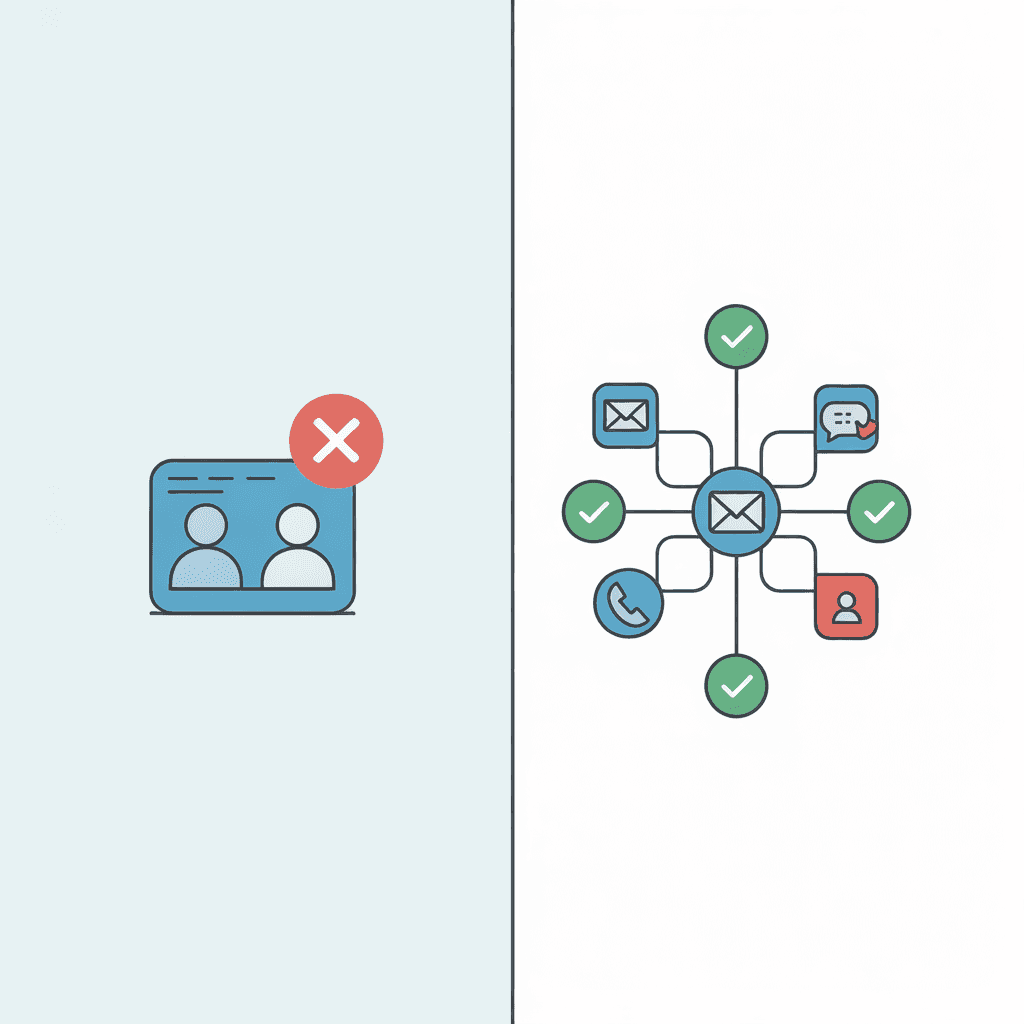
Strong Communication Is Impossible Without Measurement
To deliver a sustainable communication experience in multichannel customer service, processes must be measured. Without measurement, operational issues and performance gaps remain invisible, making meaningful improvement impossible.
Key Metrics to Track
For effective customer communication management, the following metrics are critical:
First response time: How quickly customers receive an initial reply
Average resolution time: How long it takes to fully resolve requests
Channel-based volume: Which communication channels carry the most load
These metrics reveal the true performance of customer support operations.
Continuous Improvement Through Reporting
Strong reporting enables you to:
Clearly identify inefficient process steps
Compare team performance
Make strategic, data-driven decisions
How Should AI Be Positioned in Multichannel Customer Service?
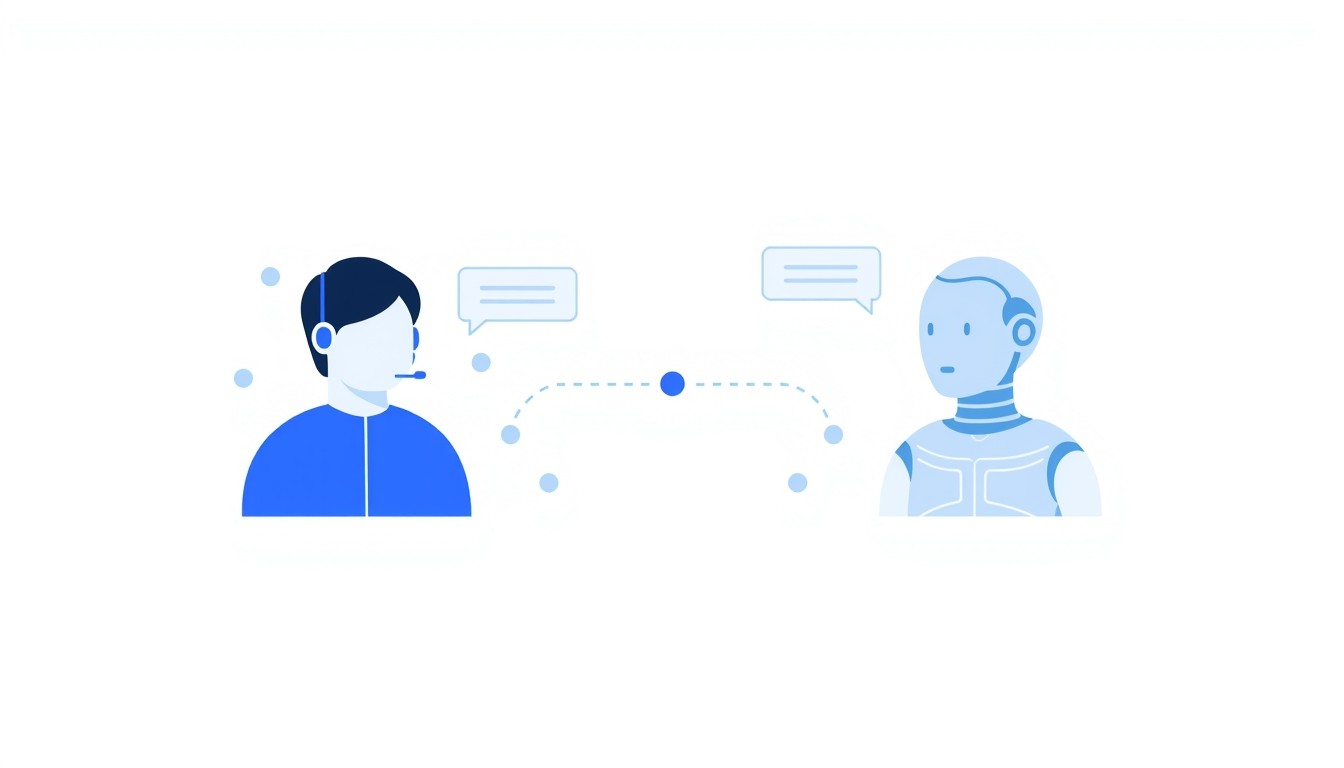
AI should not replace humans in customer service; it should make teams faster and more effective. By automatically resolving repetitive and simple requests, AI routes more complex issues to the right teams, allowing employees to focus on tasks that truly create value.
The strongest customer experience emerges from systems that balance technological speed with human empathy.
Multichannel Communication Is Unsustainable Without the Right Platform

Disconnected channels, fragmented teams, and unmeasured performance can overwhelm even the most well-intentioned customer service teams. A multichannel customer service strategy only becomes meaningful when supported by a strong, centrally managed customer communication platform.
Qpien brings all customer communication into a single panel, enabling brands to deliver a customer experience that is:
Faster
More consistent
More measurable
With AI-powered solutions, automation capabilities, and advanced reporting, Qpien transforms customer service from an operational burden into a strategic advantage.
If you want to take control of your customer communication and build a professional customer service structure, try Qpien.