
Customer Communication
The Era of Artificial Intelligence in Omnichannel Customer Communication

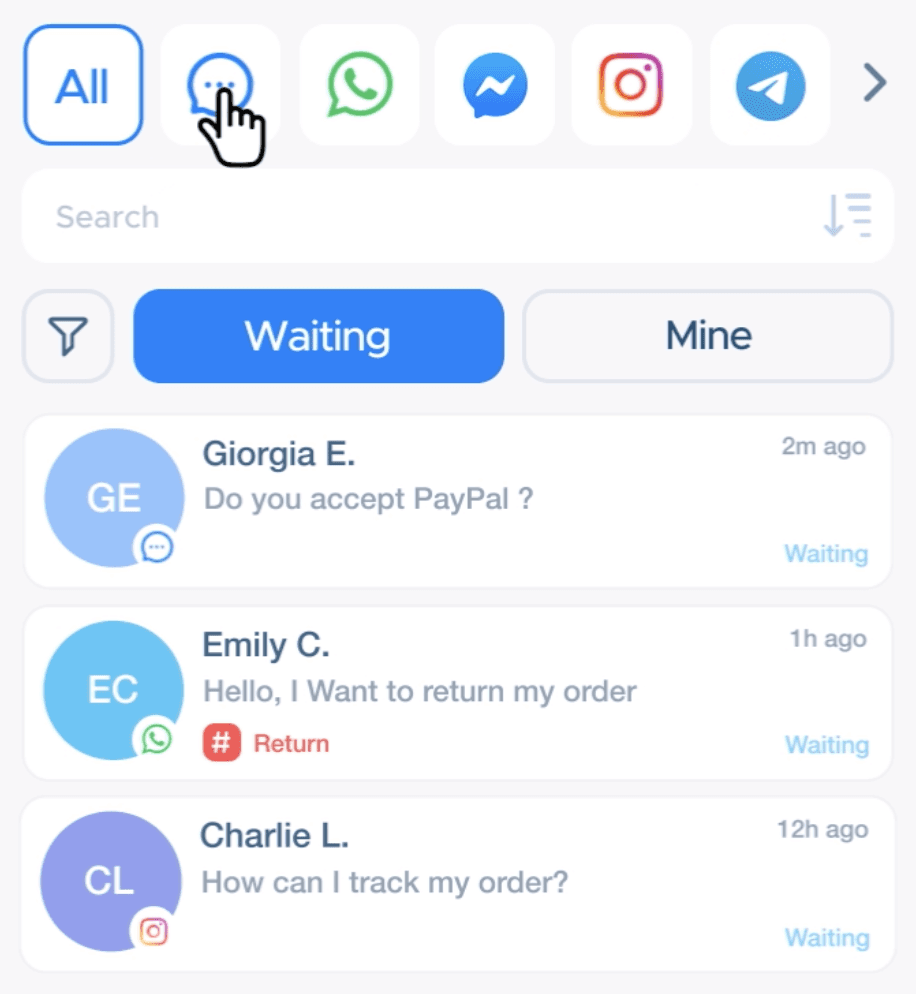
E-commerce customers no longer expect only fast responses to their questions; they also expect consistency across different channels and personalized experiences. Regardless of whether the interaction takes place via a website, social media, email, marketplace, or mobile application, the one thing customers expect in every touchpoint is for their expectations to be met.
At this point, artificial intelligence (AI) and chatbots are no longer limited to accelerating processes and providing automation in customer service; they have also become the key to delivering intuitive, continuous, and empathy-driven communication.
Why Are Artificial Intelligence and Chatbots So Important?
What Is a Chatbot?
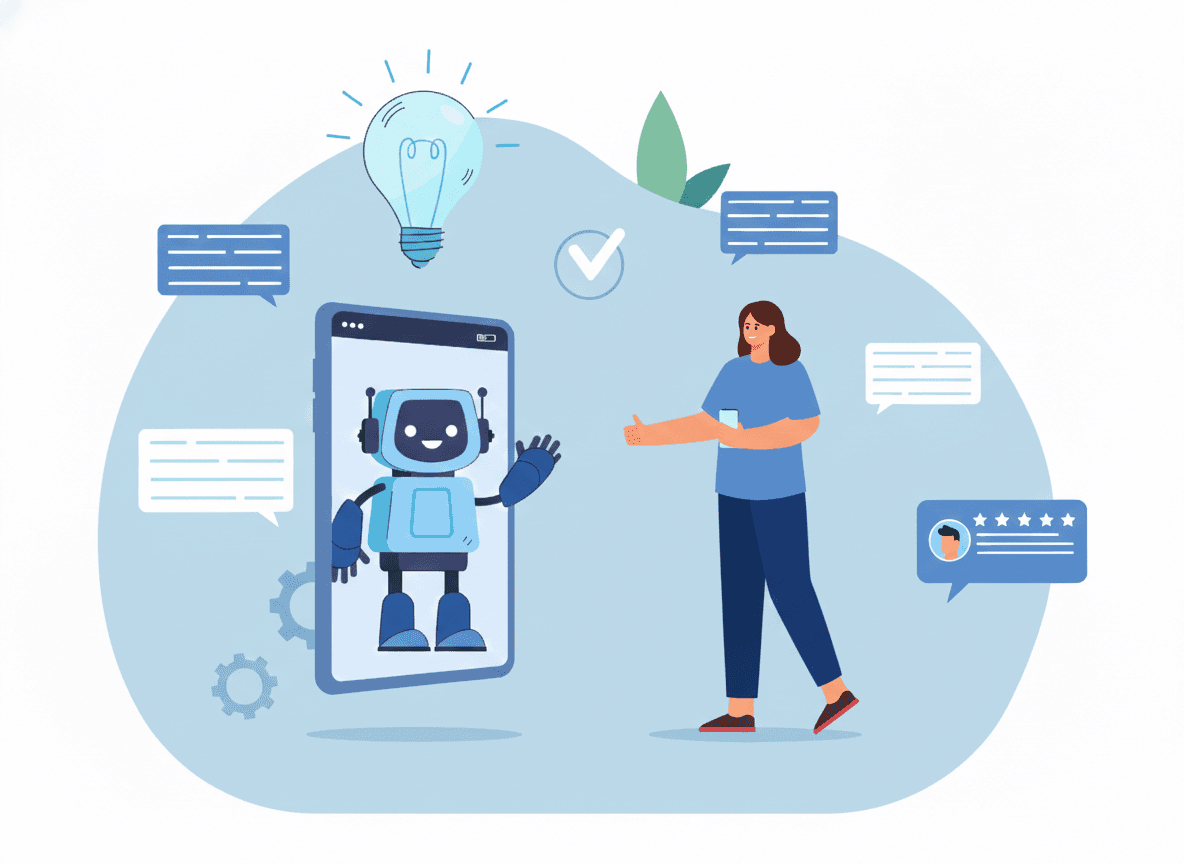
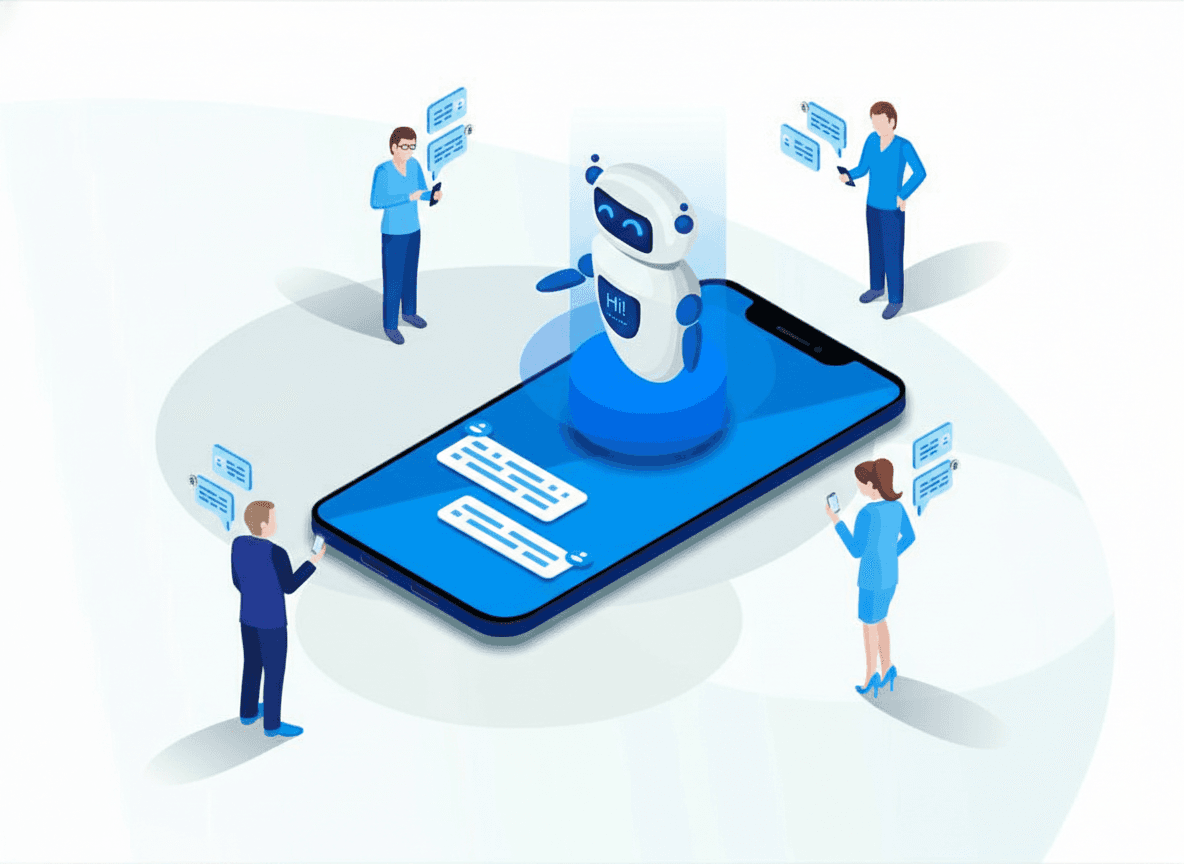
A chatbot is an AI-powered digital assistant that interacts with users in natural language, instantly responds to incoming requests, and automates businesses’ multi-channel communication traffic.
What Do Chatbots Do?
Through natural language processing (NLP) and machine learning, chatbots understand customer requests, generate appropriate responses, and provide instant solutions across multi-channel communication. This not only increases customer satisfaction but also reduces operational workload. In omnichannel customer communication, chatbots deliver AI-powered interaction solutions that manage requests from different platforms through a single centralized system, providing real-time and consistent responses while maximizing operational efficiency.
24/7 Uninterrupted Support
Chatbots operate continuously without breaks, offering 24-hour service. This ensures that customers receive fast responses even outside business hours. As a result, they become a critical factor in enhancing customer satisfaction and loyalty.
How Does Artificial Intelligence Strengthen Empathy in Customer Communication?
Speed in customer communication is now an expectation. However, speed alone is not enough to create a great experience. What truly makes the difference is ensuring that customers feel understood and that their expectations are genuinely met.
Responding Alone Is Not Enough
Responding to a customer message within seconds may appear professional. However, if the response ignores the customer’s needs and emotional state, the interaction becomes superficial.
AI-driven customer communication systems should not be designed merely to generate automated replies;
they should be built to understand context, previous interactions, and emotional signals.
When implemented correctly, artificial intelligence:
Analyzes not only what the customer says, but why they say it.
Delivers personalized responses instead of giving the same answer to everyone.
Captures the right tone at the right moment, rather than creating a “fast but cold” experience.
When applied effectively, AI can establish a personal connection by striving to understand the customer’s emotions and needs. In other words, AI plays a critical role in delivering the right response at the right time by analyzing emotional states and contextual signals.
How Does Artificial Intelligence Support Empathy?
It is true that artificial intelligence does not possess feelings. However, it can be highly effective in helping to understand what people are feeling.
Empathy is not merely an emotional reflex; it is also the ability to interpret the right data in the right way. By combining sentiment analysis, past conversations, channel preferences, and timing data, AI makes customer communication more conscious and context-aware.
As a result:
It adopts a clearer and calmer tone during customers’ emotional fluctuations.
It provides more guiding and reassuring responses to indecisive users.
Urgent situations are automatically prioritized.
In customer communication, empathy is strengthened not by what AI says alone, but by when and how it guides the interaction.

AI and Human Collaboration
Not every interaction is suitable for automation. Especially in emotionally charged or complex situations, human touch still plays a critical role.
At this point, the role of artificial intelligence is not to replace humans, but to engage the right representative at the right time.
Advanced AI-powered customer communication systems:
Establish the first contact quickly and consistently
Analyze the content and context of the message
Assess the complexity level of the issue
Detect emotional intensity
Route the conversation to the appropriate representative when necessary
Thanks to this structure, communication is not interrupted, customers do not have to repeat themselves, and the process progresses in a controlled and seamless manner.
Where Does the Strength of the Human Representative Come Into Play?
They can focus more effectively
They can develop deeper and more comprehensive solutions
They can dedicate time to strategic and expertise-driven matters
As a result, efficiency increases while complex issues are resolved through human expertise. The experience that emerges is this: communication that starts quickly with AI and is resolved in a genuinely human way.
Consistency and Impact in the Omnichannel Experience
A Seamless Experience Across Channels
Customers may interact with brands through various communication channels (such as WhatsApp, Instagram, Meta, etc.). AI-powered systems track these interactions independently of the channel; by remembering past conversations, context, and customer preferences, they maintain continuity in communication.
Thus, regardless of the platform used, responses remain consistent and the same quality standard is upheld.
This approach eliminates the need for customers to repeat themselves while enabling brands to deliver a more holistic and trustworthy experience.
Data-Driven Optimization
Artificial intelligence analyzes data obtained from customer interactions and provides businesses with meaningful insights. Through these analyses, existing processes can be optimized, operational efficiency increased, and adaptation to customer expectations accelerated.
At the same time, the data collected plays a significant role in shaping future strategic decisions. In this way, customer communication serves not only immediate needs but also long-term experience goals.
Key Considerations When Implementing AI-Powered Customer Communication
Understanding the Customer
For AI-powered customer communication solutions to be successful, the first step is understanding the customer. Systems designed without accurately analyzing customer expectations, behavioral patterns, and communication preferences fail to create the desired impact.
Through these analyses, AI:
Learns how to respond to different types of questions appropriately.
Distinguishes when to remain automated and when to escalate or redirect.
Delivers a more personalized and context-aware experience.
Not Overlooking Human Support
Although AI-driven automation offers significant advantages in terms of speed and scalability, it is important to remember that not every interaction is suitable for automation. Especially in complex, sensitive, or emotional situations, ensuring a seamless transition to human support is critical for maintaining customer trust and satisfaction.
A well-designed AI system:
Does not eliminate the human element
Transfers the interaction to the right representative at the right time
Enhances the value of human expertise
This balance brings together the efficiency of technology and the reassurance of human interaction within the same experience.
Artificial Intelligence Is Not Just Technology, but a Powerful Connection Tool
It is undeniable that AI and chatbots—encountered across every industry and platform—have become integral parts of customer communication. Companies that use AI not merely to provide fast responses, but to deliver personalized, contextual, and consistent experiences, strengthen their competitive position in the market.
In other words, AI strategies implemented with the right purpose do more than enable interaction; they create meaningful connections with customers and foster sustainable satisfaction.

Today, artificial intelligence and chatbots have become an integral part of customer communication across nearly every industry and platform. However, the real differentiation lies not merely in providing fast responses, but in the ability to deliver personalized, context-aware, and consistent experiences across all channels. Well-designed AI strategies go beyond simple interactions, enabling meaningful engagement with customers and fostering sustainable satisfaction.
So, are you ready to leverage AI with
Qpiennot just as a response tool, but as a representative that understands your customers, delivers a consistent omnichannel experience, and strengthens your communication?