
Softwares And Tools
What Are Automation Systems? What Do They Do? Benefits for Businesses and Their Contribution to Customer Experience

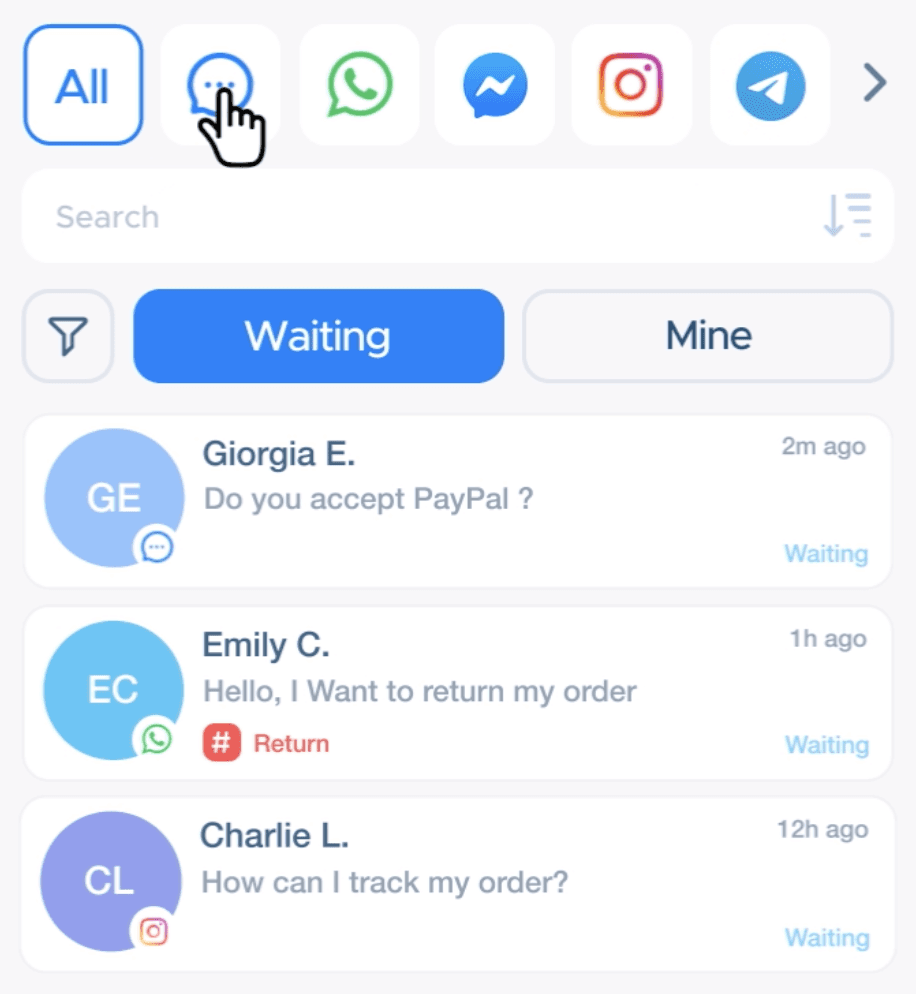

In today’s rapidly digitalizing world, one of the most critical challenges for businesses is responding to increasing customer demands quickly and consistently. This is exactly where automation systems come into play. Automation systems are solutions that manage repetitive and time-consuming tasks without human intervention, using predefined rules and intelligent technologies. Especially with AI integration, these systems not only accelerate processes but also reduce error rates, lower operational costs, and enhance the overall customer experience.
What Are Automation Systems?

Automation systems are digital solutions that manage businesses’ repetitive and time-consuming processes without human intervention, through predefined rules and AI-powered technologies. Today, particularly in customer service, automation systems play a critical role in handling increasing message traffic, shortening response times, and minimizing operational errors.
Automation infrastructures used across omnichannel communication points such as live chat, email, social media, and messaging applications optimize processes like message routing, canned responses, chatbots, and reporting. As a result, they increase team efficiency while strengthening customer experience. For businesses aiming to achieve sustainable growth in a highly competitive digital market, automation systems are no longer a preference — they are a strategic necessity.
Why Do Businesses Need Automation Systems?
In today’s business world, increasing competition forces companies to operate faster, more efficiently, and with fewer errors. Particularly in customer service, rising communication traffic — when managed manually — can lead to time loss, operational disruptions, and customer dissatisfaction. At this point, automation systems provide sustainable efficiency by digitizing business processes.
Automation systems automatically execute repetitive tasks through predefined rules and AI-powered algorithms. This enables employees to focus on higher value-added activities such as analysis, strategy, and customer relationship management instead of routine operations. Especially in customer service, systematizing processes like automated message routing, canned responses, tagging, and reporting significantly reduces operational workload.
In addition, automation does not only increase speed; it also ensures standardization and consistency across processes. By reducing human error, it improves service quality and enhances the overall customer experience. At the same time, it enables businesses to achieve higher output with fewer resources, contributing to cost optimization.
How Does Automation Work in Customer Service?

Automation systems in customer service manage incoming requests automatically through predefined rules, workflows, and AI algorithms. The process typically begins when a customer message is received. Requests sent via live chat, WhatsApp, email, or social media channels are analyzed by the system and classified based on content, keywords, or customer segmentation.
Next, the automation infrastructure takes action. For simple and repetitive inquiries, canned responses or chatbot systems generate automatic replies. More complex requests are automatically routed to the appropriate department or representative. This intelligent routing system shortens response times while minimizing human error.
AI-powered automation systems do more than just respond to messages; they analyze customer history, consider previous conversations, and generate personalized responses. At the same time, they automate background processes such as tagging, prioritization, and performance reporting, significantly reducing operational workload for teams.
As a result, automation in customer service ensures both speed and consistency. While businesses can manage increasing message volumes more efficiently, customers experience faster and more seamless support. This creates a significant competitive advantage that directly impacts customer satisfaction and brand trust.
Advantages of Automation Systems
Automation systems are digital solutions that make business processes faster, more controlled, and more scalable. Especially AI-powered automation technologies not only automate tasks but also continuously optimize processes by analyzing data. As a result, businesses gain operational efficiency while achieving a competitive advantage.

1. Increased Operational Efficiency and Speed
Automation systems manage repetitive and time-consuming tasks through automated workflows. Processes such as message routing, data processing, task assignment, and reporting can be completed within seconds. This structure allows teams to focus on strategic decision-making, customer relationships, and growth-oriented initiatives rather than routine tasks.
Being able to respond quickly to increasing customer demands is a major advantage, especially in customer service. Automation shortens response times and improves the overall customer experience.
2. Cost Optimization and Resource Management
Manual processes create a burden in terms of both time and labor costs. AI-powered automation systems operate 24/7 without interruption, optimizing workforce requirements. This enables businesses to achieve higher output with fewer resources.
Additionally, reducing error-related costs ensures more efficient use of operational budgets. In the long term, automation investment turns into a sustainable cost advantage for businesses.
3. Standardization and Reduced Error Rates
Human errors can lead to data loss, misrouting, and delays. Automation systems, however, operate based on predefined rules and algorithms, ensuring standardization across processes.
This is particularly important in customer communication. Mechanisms such as automated tagging, intelligent routing, and rule-based task assignment help maintain consistent service quality.
4. Smart Management in Sales and Lead Processes
Advanced automation infrastructures support not only operational processes but also sales management. AI-powered chatbots can automatically engage incoming leads, filter them according to predefined criteria, and integrate them into CRM systems.
Through automated segmentation, triggered messaging, and data analysis, sales teams can focus on more qualified opportunities. This directly contributes to higher conversion rates.
5. Scalable and Industry-Independent Structure
Automation systems can be easily adapted to different industries. Whether in healthcare, e-commerce, education, finance, logistics, or service sectors, workflows can be customized according to business needs.
Thanks to their modular and scalable structure, growing businesses can manage increasing operational workloads without requiring additional human resources. This flexibility provides a significant advantage in digital transformation processes.
Benefits of AI-Powered Automation

Unlike traditional automation solutions that simply apply predefined rules, AI-powered automation systems analyze data, learn from it, and continuously improve processes. This capability provides a substantial advantage, especially in high-interaction areas such as customer service and sales operations.
Steps such as analyzing incoming requests, classifying them based on content, prioritizing them, and routing them to the appropriate department are carried out automatically through intelligent algorithms.
These systems can deliver more personalized responses by considering customer history and behavioral data. For example, automatically generating responses to frequently asked questions, segmenting potential customers, or triggering actions based on specific behaviors are key advantages of AI-based automation. As a result, businesses not only gain speed but also make more accurate and data-driven decisions.
AI-powered automation also strengthens reporting and analytics processes. With real-time performance data, managers can identify operational bottlenecks, optimize workflows, and continuously improve customer experience. This holistic structure transforms automation systems into a strategic growth tool.
How Will Automation Systems Evolve in the Future?

In the coming years, automation systems will move beyond being tools that merely accelerate operational processes and become central to businesses’ strategic decision-making mechanisms. With AI-powered automation solutions, data will be analyzed in real time, processes will be optimized automatically, and businesses will adapt to market changes much faster.
Future automation systems will analyze customer behavior, predict sales opportunities, and intelligently manage workflows. AI-powered platforms like Qpien accelerate businesses’ digital transformation processes through omnichannel communication management and 24/7 uninterrupted automation infrastructure.
Businesses that adopt automation early gain a competitive advantage while building a strong technological foundation for sustainable growth. For this reason, investing in automation systems is one of the most important steps toward preparing for the future.
A Next-Generation Approach to Automation Systems: Qpien
Automation systems have evolved beyond providing operational efficiency for modern businesses; they have become a strategic infrastructure that creates competitive advantage. Increasing customer demands and the need for omnichannel communication make it difficult to manage processes manually, while AI-powered automation solutions accelerate workflows, reduce error rates, and optimize resource utilization. Qpien centralizes customer service operations by bringing together all communication channels — including live chat, WhatsApp, Instagram, and email — into a single, unified panel, transforming customer support into a more controlled and streamlined structure.
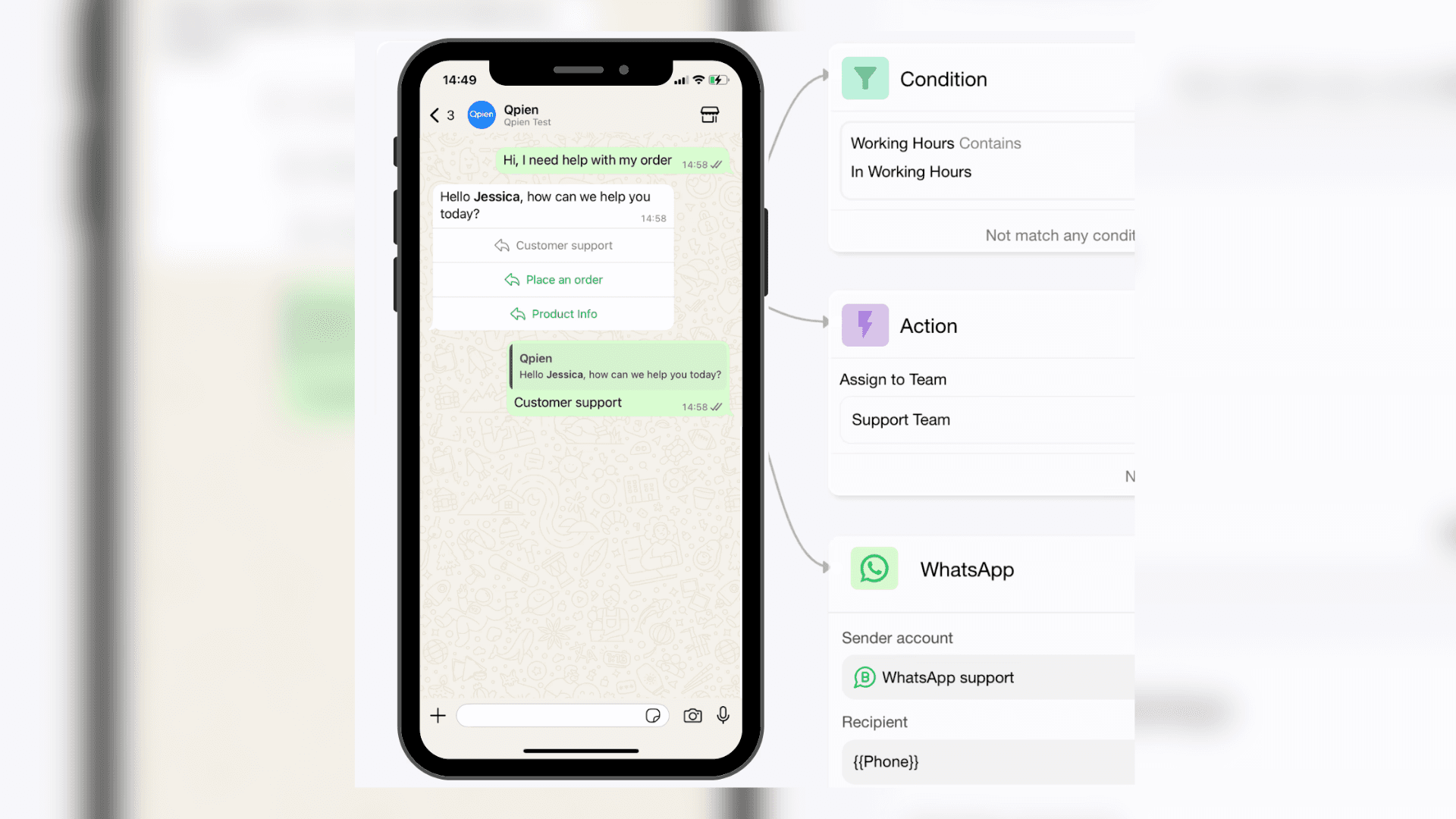
With intelligent routing, automated tagging, canned response systems, and advanced analytics modules, Qpien goes beyond automating routine tasks. It analyzes customer behavior to deliver more proactive and personalized experiences. This holistic automation infrastructure helps businesses not only reduce costs but also sustainably increase customer satisfaction.
To build a strong and scalable foundation for your company’s digital transformation journey, take a powerful step forward with Qpien’s AI-powered automation systems.