E-commerce
Is Communication a Key Factor? Elements That Influence Customer Experience in E-Commerce


Competition in e-commerce is no longer driven solely by products and price. Consumers expect fast responses, uninterrupted communication, secure shopping, and personalized experiences. Academic research also shows that customer experience is one of the most critical factors directly influencing the purchase decision.
So, at which touchpoints of the customer journey does customer experience — which plays such a decisive role in purchasing decisions — influence the consumer? At what stage do users clarify their purchase decision and turn into loyal customers who build a long-term relationship with the brand?
What Is Customer Experience (CX)?
It is the sum of all interactions a customer has with a brand, from the first point of contact through the post-purchase process. This experience covers not only the moment of purchase but also all touchpoints such as discovering the brand, conducting research, asking questions, placing an order, the delivery process, returns/exchanges, and after-sales support.

In other words, customer experience is the level of emotion, perception, and satisfaction formed in the customer’s mind throughout their journey with your brand.
Core Elements That Shape Customer Experience
Ease of use of the website or mobile application
Product and service quality
The speed and solution-oriented approach of customer support
Shipping and delivery process
Ease of returns and exchanges
Personalized communication
A consistent communication tone across all channels
Each of these elements determines how customers will remember your brand.
Why Is Customer Experience So Important in E-Commerce?
Since there is no physical interaction between the user and the product in e-commerce, trust, speed, and the quality of communication lie at the heart of the entire experience. However, what makes customer experience so critical is not only the moment of purchase, but the entire journey — from the customer’s first encounter with the brand to the post-purchase stage. Every touchpoint turns into a “continue” or “abandon” decision in the consumer’s mind.

A well-designed experience does not only generate a one-time sale; it builds an emotional connection between the user and the brand. Being able to get a fast response while seeking product information, reaching live support when needed during the payment stage, and having a seamless process all play a decisive role in completing the purchase decision. At this point, the speed, consistency, and solution-oriented nature of communication directly affect whether the purchase will take place.
The Impact of Post-Purchase Customer Experience on Customer Loyalty
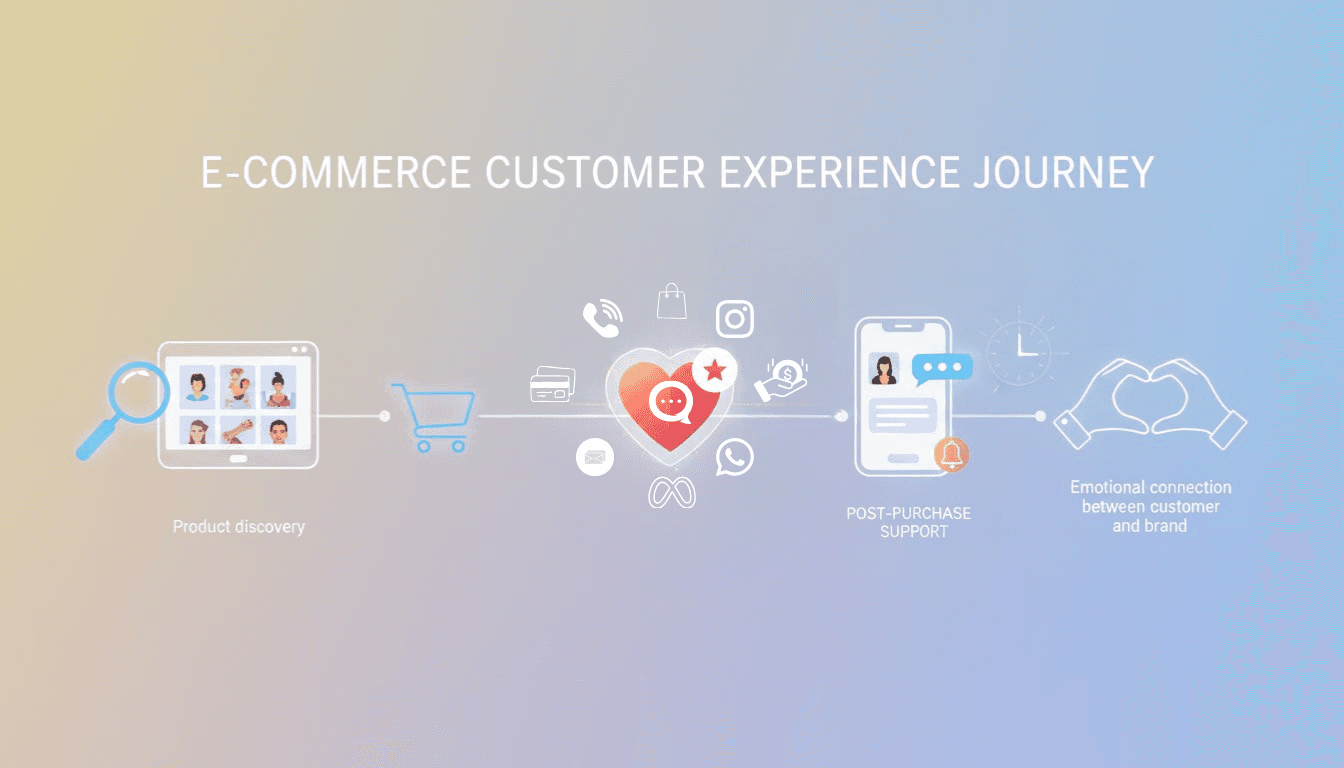
The post-purchase stage is the most critical — yet often the most overlooked — phase of the customer experience. However, order updates, proactive notifications during the shipping process, and empathetic and fast support in cases such as returns or exchanges directly shape the customer’s perception of the brand. In fact, resolving a problem effectively can build a much stronger sense of trust than a flawlessly completed purchase.
As a natural result of a well-designed experience:
Conversion rates increase
Cart abandonment rates decrease
Brand loyalty becomes stronger
Word-of-mouth marketing accelerates
A negative experience, on the other hand, does not only cause the user to abandon that specific purchase; it can completely eliminate the possibility of a long-term relationship with the brand.
In short, consumers no longer buy just a product; they choose an experience that understands them, stands by them when they need it, and provides confidence at every stage. Brands that can deliver this experience turn customers from one-time buyers into voluntary brand advocates.
Key Factors That Affect Customer Experience
Fast and Accessible Customer Service
The difference between a user who adds a product to the cart and one who becomes a loyal customer is often the quality of communication. Every touchpoint — from the pre-purchase inquiry process to returns and post-delivery support — reshapes the perception of the brand.
At this point, a strong customer communication infrastructure plays a strategic role not only in solving problems but also in increasing sales, building trust, and ensuring customer loyalty.
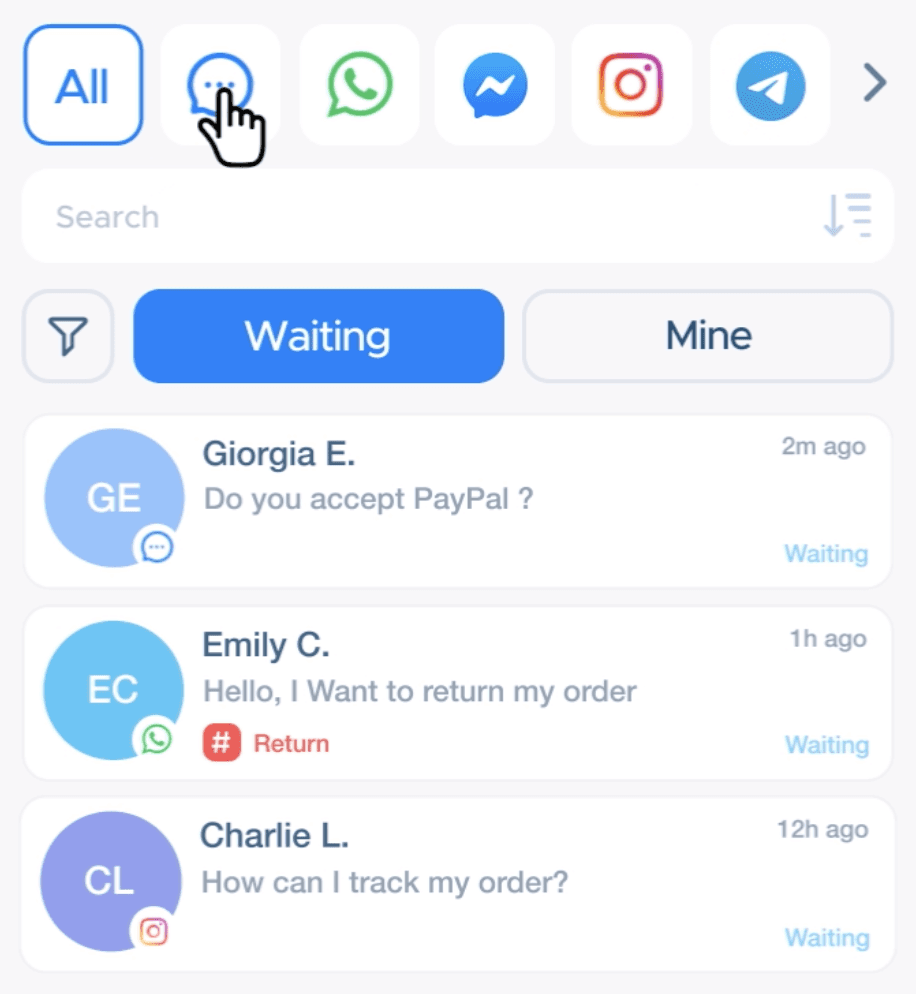
Customers do not want to wait for long when they experience a problem. Especially in delivery, return, and exchange processes, receiving a quick response directly affects brand trust. Therefore, being accessible whenever customers need it is no longer a preference for brands — it has become a fundamental expectation. Because communication centers are the first point of contact for consumers in every small or major issue, and the experience at this moment of interaction determines the entire journey from the purchase decision to brand loyalty.
Omnichannel Communication Experience
One of the most important aspects of e-commerce lies in digital communication channels. Consumers who reach brands through digital channels do not want to be limited to just one. Sometimes they want to send a quick message via WhatsApp, sometimes write on Instagram, sometimes get an instant reply through live chat on the website, or request detailed information via email. For the customer, the important thing is not the channel, but being able to reach the brand effortlessly when needed and encountering the same quality of communication every time.
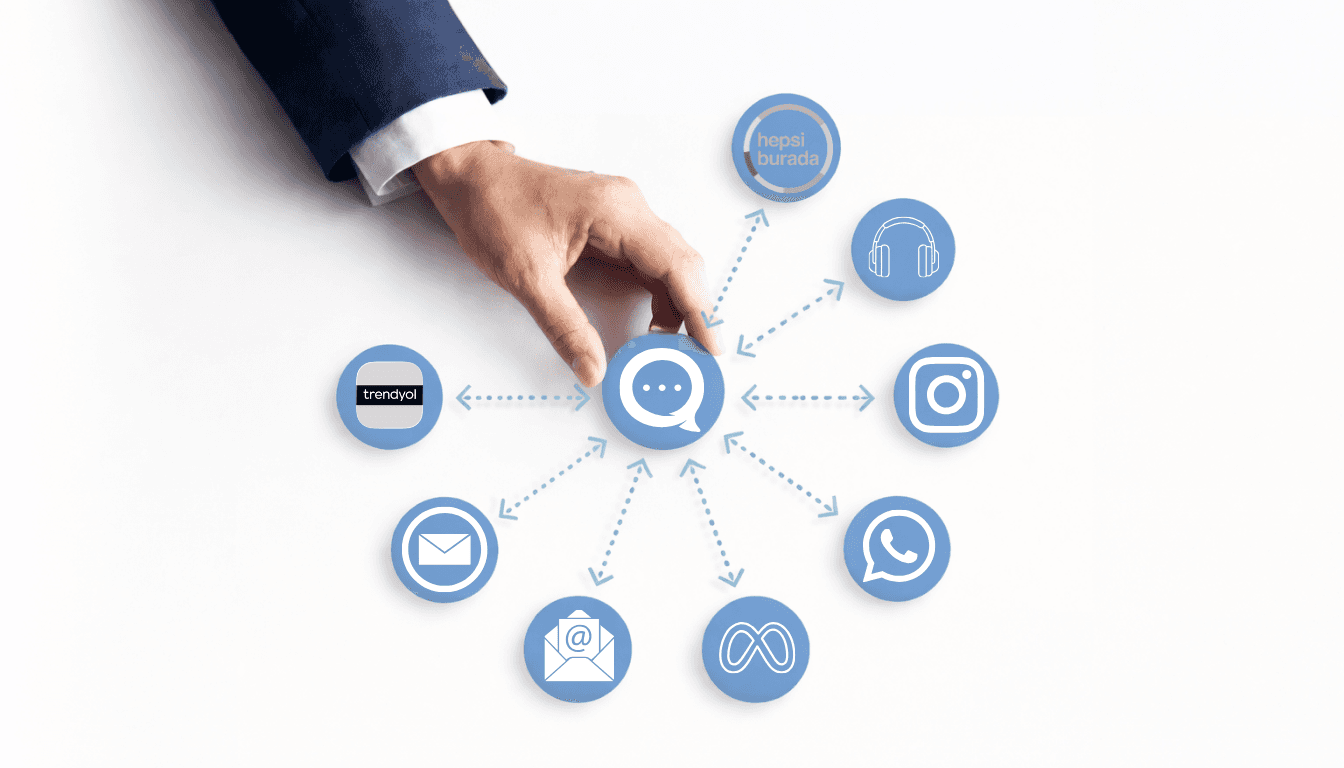
At this point, omnichannel communication does not simply mean being present on multiple channels; it means bringing all conversations together within a single structure to provide a seamless and consistent experience. No matter which platform the customer uses, having their previous conversations known, not having to repeat their issue, and receiving support at the same speed makes them feel truly valued.
A Personalized Service and Shopping Journey
Today, every customer has a unique shopping language in the digital world. When past orders, interests, and behaviors are analyzed correctly, the recommendations, campaigns, and messages presented become far more meaningful. A user who encounters content tailored specifically to them feels not just like a customer, but like someone the brand truly knows. When this personal approach is combined with sincere communication, it creates a strong emotional connection.

Research shows that a large portion of consumers are willing to pay more for a better and more personalized experience. Whether through warm communication with customer representatives or through smart technologies and bots that enable customer recognition, personalization has become an indispensable part of the customer experience.
As a natural result of this approach:
✔ Higher average cart value
✔ More repeat purchases
✔ Stronger brand loyalty are achieved.
This is also one of the most important steps that transforms a brand from “a place to shop” into “a preferred experience.”
A Solution-Oriented Approach: The Key to Customer Trust
One of the most decisive elements of customer experience is how a problem is managed. For a user who feels unheard, cannot find a clear solution, or is constantly redirected to different channels, the shopping journey quickly turns into a negative experience. This not only results in the loss of that particular sale but can also completely break the customer’s relationship with the brand. Research shows that approximately 51% of consumers do not choose the same brand again after a single bad experience.
For this reason, the main focus of customer service in e-commerce should not be merely “responding,” but providing fast and permanent solutions. A communication approach that shows empathy, truly understands the customer, and leads the process to a resolution strengthens the sense of trust and keeps the user on the path to purchase. In some cases, an effective support process can even trigger a purchase decision that the customer had not initially planned.
Thanks to a solution-oriented structure:
✔ The risk of customer loss decreases
✔ Brand trust increases
✔ The purchasing process is not interrupted
✔ The likelihood of switching to competitors is reduced
The Impact of Artificial Intelligence and Automation on Customer Experience

AI-powered customer communication is one of the most effective ways to meet the expectations for speed and efficiency in e-commerce. Thanks to automation, frequently repeated questions can be answered instantly, while customer representatives can focus on more complex and value-added requests. This structure not only reduces the operational workload but also minimizes waiting time, enabling a seamless and smooth experience for the customer.
As a result, brands establish faster, more consistent, and scalable communication processes, while customers enjoy the comfort of accessing the information they need instantly. This balance both increases customer satisfaction and ensures a sustainable service quality.
The Right Communication Infrastructure for a Strong Customer Experience in E-Commerce
To build a sustainable customer experience in e-commerce, brands need a communication infrastructure where all messages can be managed from a single panel, customer data can be interpreted, and speed can be achieved through automation. When this structure is in place, customer service is no longer just an operational process; it becomes a strategic force that supports sales, increases customer loyalty, and directly drives growth.
Conclusion: Brands That Prioritize Customer Experience Win
Today, standing out in e-commerce competition is no longer about being more visible, but about managing the experience offered to the customer in the right way. Brands that can deliver fast, seamless, and personalized communication not only increase today’s sales but also build long-term customer loyalty.
Qpien brings together all the communication channels that e-commerce brands need on a single platform, offering fast response times, personalized customer interactions, conversations that convert into sales, and data-driven customer management. In this way, support teams evolve from a structure that merely handles requests into a system that turns every conversation into a sales opportunity, builds brand loyalty, and manages the experience end to end.
If you would like to simplify your operational processes and build a strong, sustainable connection with your customers through Qpien’s next-generation customer communication infrastructure, feel free to contact us.